
Strategic health writing for women’s health, patient communication and complex science that needs to be understood.
You are working with complex research, regulatory frameworks and multiple stakeholders. Each with their own priorities. Each has a different threshold for what they’ll actually read.
But somewhere in all of that, that person you’re trying to reach gets lost.
The science is sound. But if people don’t understand it, don’t trust it, or can’t see themselves in it, it doesn’t connect.
And when it doesn’t connect, it doesn’t help.
That’s where I come in
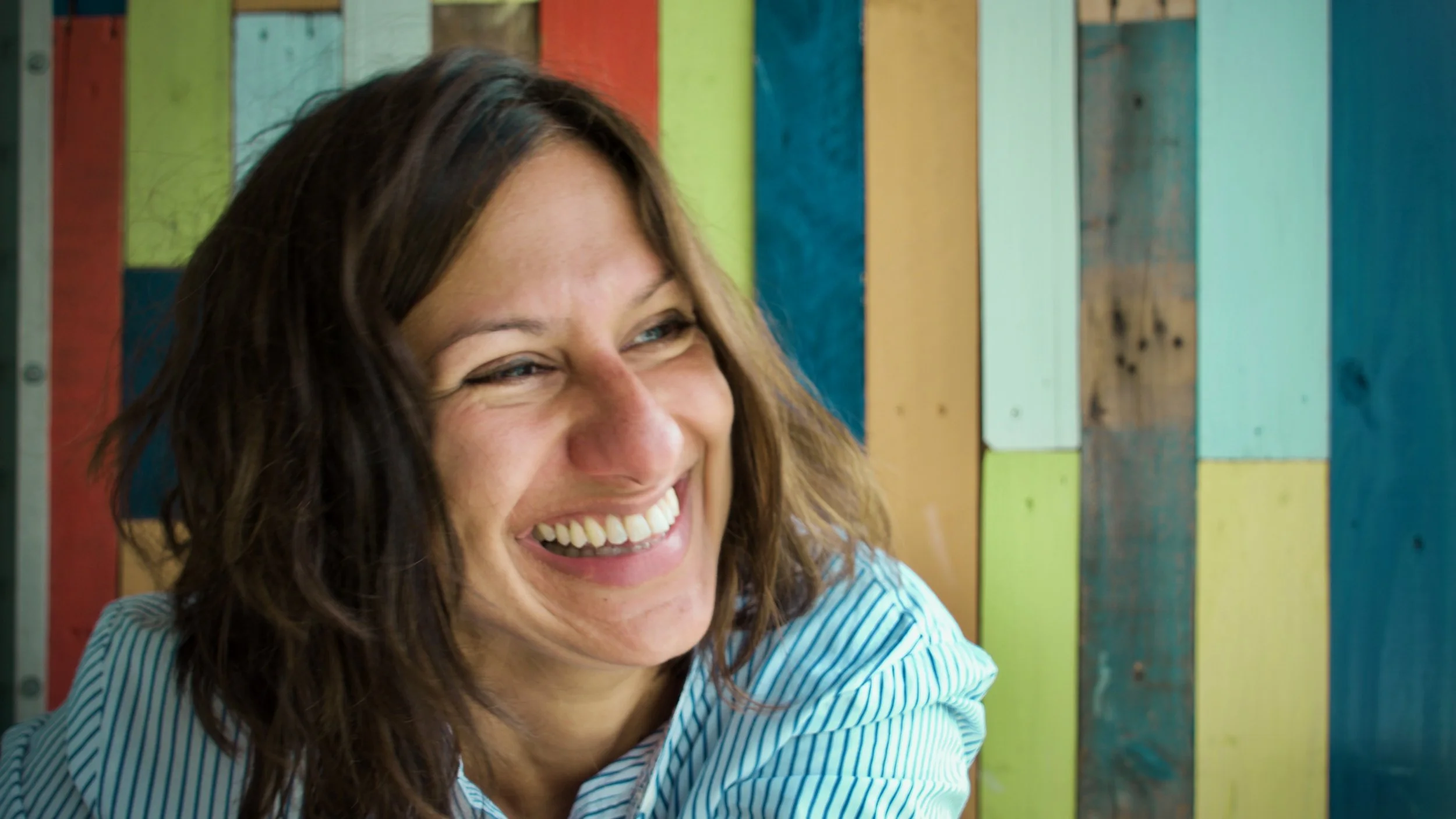
I’m a strategic healthcare writer specialising in research-led communication for health brands, digital health companies, women’s health, biotech and medtech organisations and the agencies that serve them.
I don’t start where most writers start.
Most begin with the science and work towards the reader.
I begin with the reader, their emotional reality, their mental state, before they can take anything in, and layer in the science from there.
The process is shaped by nearly two decades in global brand and advertising strategy, an MSc in Psychology, a Postgraduate in Applied Neuroscience, and the experience of being that confused patient myself, searching for answers in healthcare that I never quite found.
The last part is the catalyst for why I approach every health brief this way.
Patient communications and digital health content written for how people process information when they're stressed or vulnerable.
Women's health communications, translating complex hormonal and clinical science for the people living with it
White papers and research reports that bring clarity to complex evidence.
Case studies that demonstrate real-world outcomes for decision-makers, clinicians and investors.
Medical health and thought leadership that builds credibility over time, grounded in evidence, written for the human reading it.
Investor communications and lay summaries for complex science that a non-specialist audience can understand quickly
What I help you with.
Why this approach is different.
Most healthcare writers start with the science. I start with the reader.
I think about where the reader is emotionally and mentally. What they need to believe, not just what the words and science need to say.
And my background in global advertising, combined with my psychology and applied neuroscience training, shapes how I interrogate every brief.
In practice, this means:
Sharper brief interrogation and different ways to approach a brief: understanding what the communication actually needs to do for its audience before a word is written.
Evidence-led storytelling: innovative structure and narrative grounded in data, not jargon.
High-quality output that works for both specialists and non-specialists alike.
The result.
When we work together, your research and ideas don’t just stay accurate; they become clear, credible and importantly, understood. Content that earns attention, builds trust and gives your audience something they can act on.
If your work matters, your words should too.
Join me on Substack @healthywords
The Sunday Mirror
A weekly story from the Healthy Words project.
Each Sunday, I share a short story that blends real life and neuropsychology to explore how we think, decide and relate.
This is about lived insight told through a story.
It’s for curious minds, those who want to understand people more deeply, including themselves.
Why does this matter to healthcare leaders?
Because strong decisions, healthy cultures, and resonant brands all start with one thing:
Understanding people.
These stories help you see more clearly.
They won’t tell you what to do.
They’ll show you what’s really going on underneath.
And that catalyst changes how you think, lead, and communicate.
If that sounds like your kind of Sunday, I’d love to have you there.
Subscribe below to get the next one.